



 英语
英语 西班牙语
西班牙语 中文简体
中文简体Who will define the future of toughness? The definitive materials race under the national strategy
It may be difficult for you to imagine that there is a material hundreds of times harder than steel, but as brittle as glass when hit with a hammer. This contradictory description fits the king of materials science and his challengers: superhard materials and their extended family.
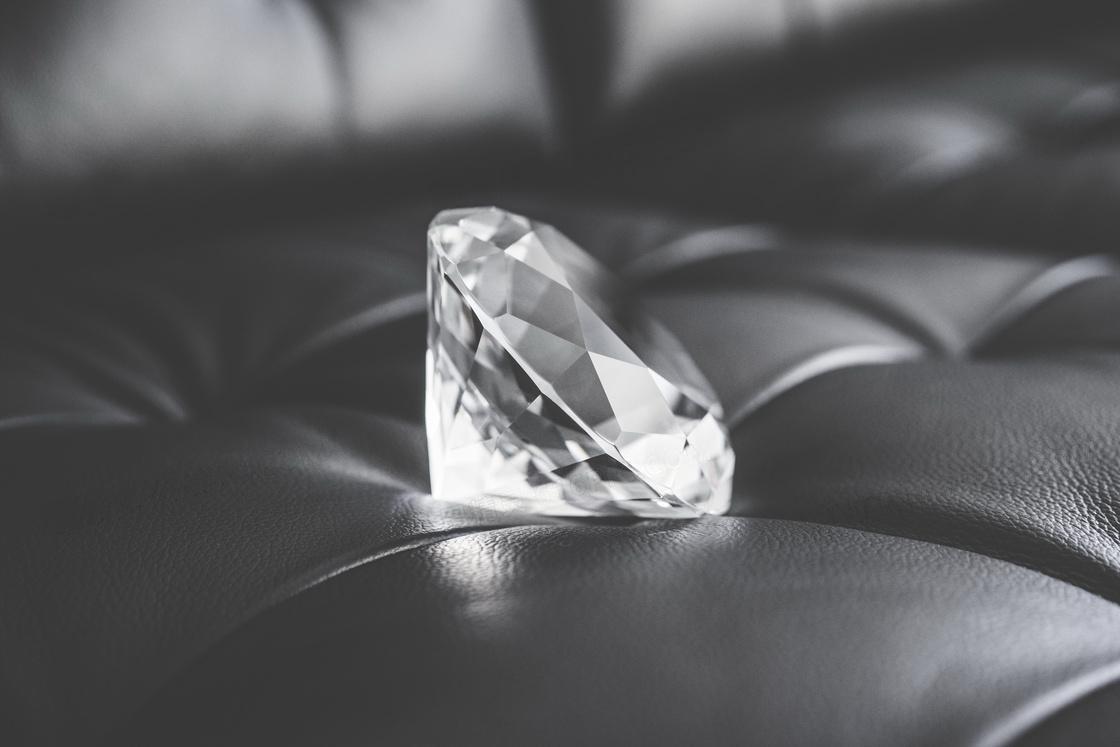
The undisputed king: the diamond
The undisputed ruler of hardness is diamond. As the hardest natural substance on Earth, diamond owes its hardness rating of 10 on the Mohs scale to the perfect network of covalent bonds between its carbon atoms. However, this "king of toughness" has a well-known weakness: he fears strong impacts. A single blow of a hammer can shatter it.
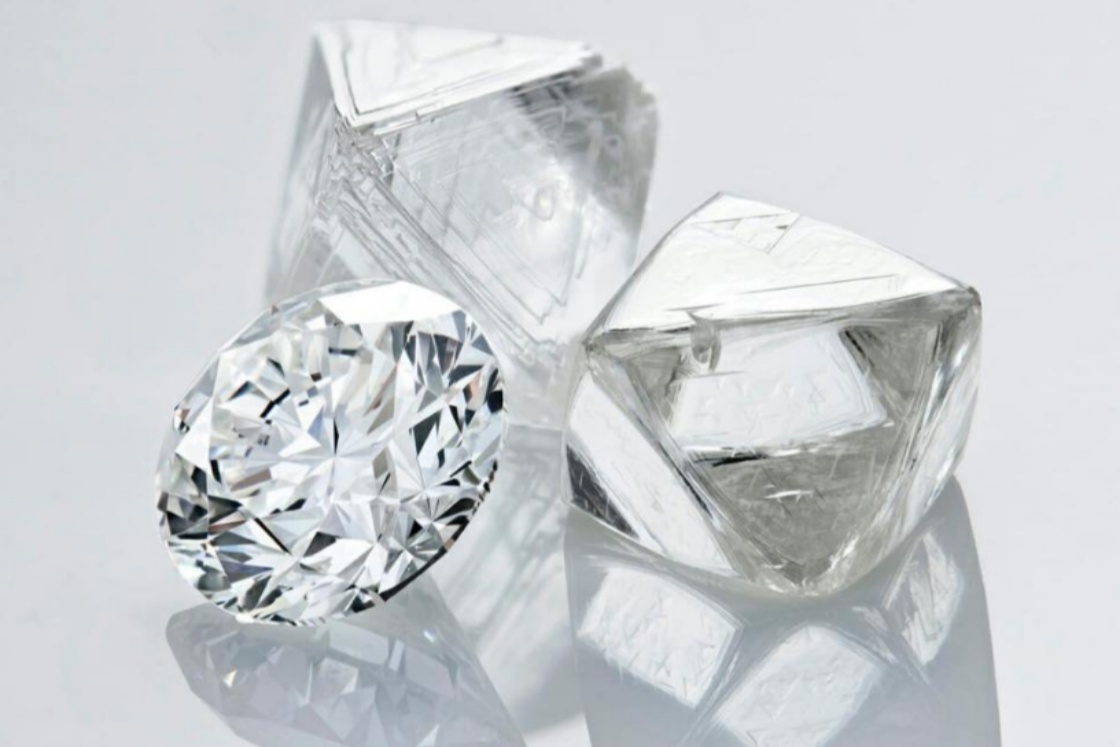
This contrast—extreme hardness coupled with inherent brittleness—reveals the central puzzle of materials science: how to make a material both unbreakable and tough. Thanks to technologies such as the high-pressure catalytic method, synthetic diamond is no longer a luxury, but rather an industrial tool that cuts concrete and drills into the earth.
The challengers
But beneath the king, there is never a shortage of ambitious challengers.
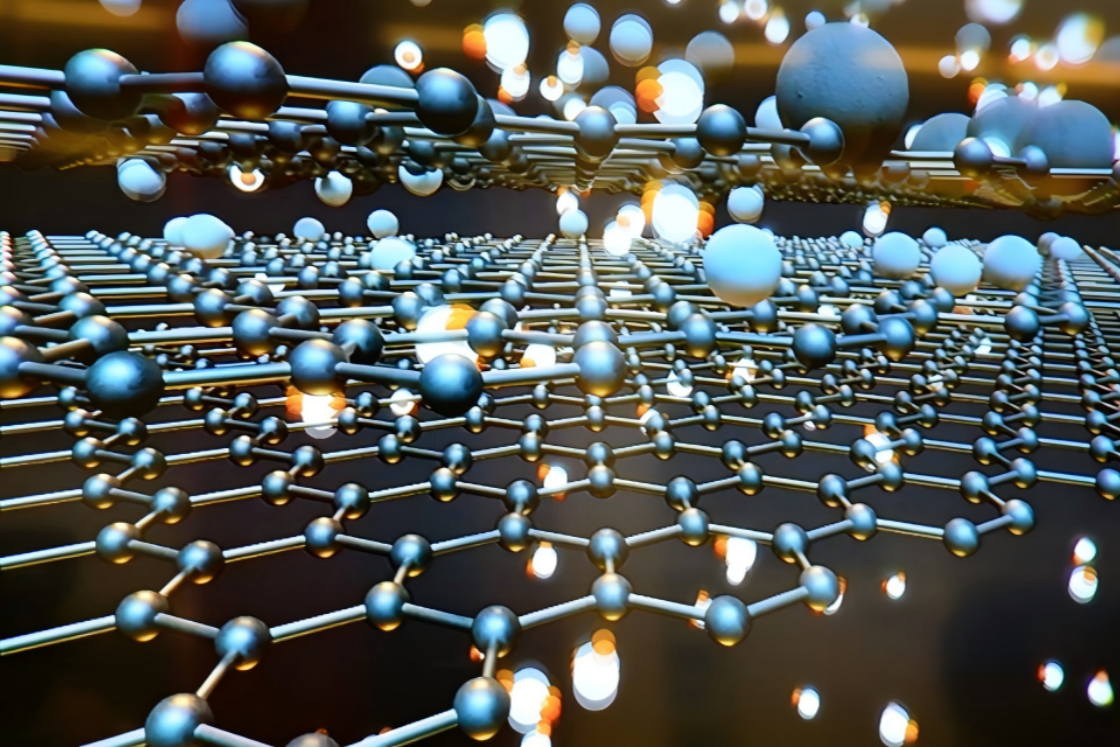
Graphene is the first. This two-dimensional miracle material, just one carbon atom thick, is theoretically even harder than diamond. Some experts describe it like this: If you made a regular food storage bag out of graphene, it could support the weight of two adult elephants.
Next come ceramic matrix composites (CMC). These materials can withstand flames of up to 2,000°C, while weighing half as much as traditional superalloys. They have already become the "protective armor" for hypersonic vehicles and aviation engines.
Then there is the ultra-high-strength carbon fiber. With ten times the strength of steel but only one-fifth the weight, it is often called the "black gold" of high-end manufacturing.
The impossible triangle
So which material is really the strongest? The evaluation criteria goes far beyond a single "toughness" score. Materials science has what is often called the "impossible triangle": hardness (resistance to indentation), strength (resistance to damage), and toughness (ability to absorb impacts) are rarely achieved together.
Diamond reigns in hardness. Graphene and carbon fiber excel in resistance. But many superhard materials pay a price in toughness.
A breakthrough: structural design
A change in thinking has brought new hope. Researchers at the Massachusetts Institute of Technology stopped focusing solely on the material itself and played with a "structural magic trick." They pressed and melted graphene flakes to create a porous, sponge-like three-dimensional structure. The result was a new material with a density only 5% that of iron, but with a strength ten times greater than iron.
This breakthrough points to a disruptive future: the ultimate victory may not belong to a single substance, but to an ingenious structural design.
The dimension of the national strategy
This micro-scale competition has long been elevated to a strategic game between nations. In October this year, China's Ministry of Industry and Information Technology, together with five other government departments, issued the "Work Plan for the Stable Growth of the Building Materials Industry (2025-2026)". The plan explicitly calls for expanding the advanced non-metallic inorganic materials industry and continuously addressing key technologies and product development for superhard materials.
Superhard materials figure as a critical area for national advancement efforts, creating a full-chain policy support system from R&D to application. The entry of national strength has injected strong and reliable confidence into the entire industry.
From the laboratory to the real world
We are already seeing these extreme materials move from laboratories to the world at large.
Above the clouds: Ceramic matrix composites allow engines to burn hotter, while carbon fiber creates lighter, stronger wings.
On the defense front: The next generation of graphene protective gear provides lighter, stronger protection for national security.
Deep beneath the earth: synthetic diamond drill bits drill through layers of rock in search of energy resources.
Inside the human body: Diamond coatings with excellent biocompatibility make artificial joints more durable and reliable.

Looking to the future
The future outlook for superhard materials is becoming clearer.
In the short term, with the support of favorable policies, synthetic diamond will first expand its territory in industrial applications such as oil and gas drilling.
In the medium term, as manufacturing technologies mature and costs fall, graphene and carbon fiber are expected to achieve large-scale applications in new energy batteries and high-end equipment.
In the long term, the ultimate career will belong to the integration of bionics and nanotechnology. The strongest material of the future may not be discovered — it will be designed. It could combine the lightness of a honeycomb, the tenacity of spider silk and the resilience of an abalone shell — a crystallization of nature's wisdom and human innovation.
Conclusion
Looking back at this war over "toughness," perhaps the truth is simple: just as there is no perfect human being, there is no such thing as a perfect material. The real winner has never been the toughest. Rather, it is the material that finds the most suitable and balanced state of existence in a complex real-world environment.