


 英语
英语 西班牙语
西班牙语 中文简体
中文简体The Silent Change: How Abrasives Redefine Modern Manufacturing
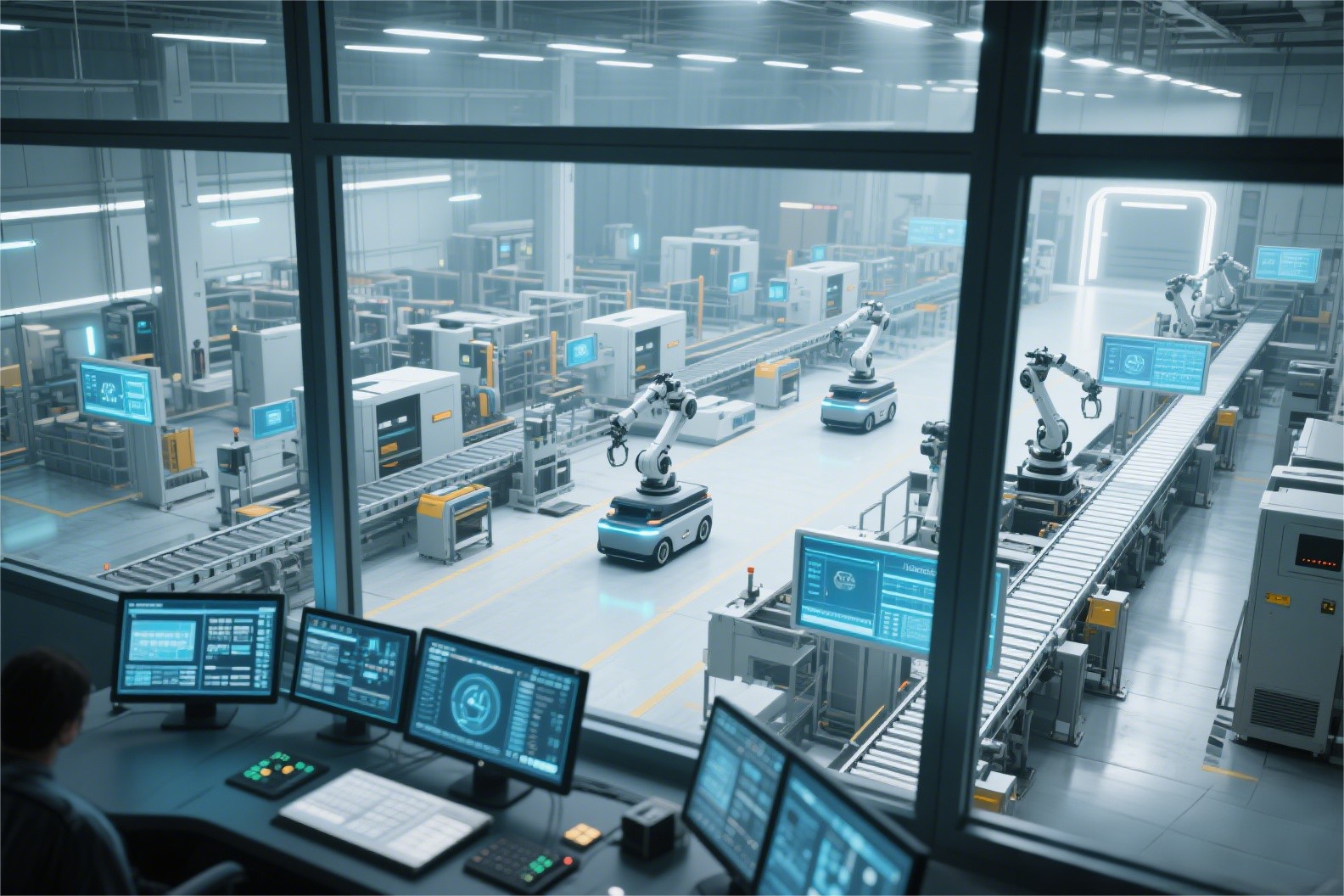
If you still think of abrasives as mere consumables—items to use, wear out, and replace—it's time to take a closer look. The industry is undergoing a fundamental transformation. Over the next decade, abrasives and grinding tools are set to evolve from passive consumables to active, integral technical materials. This change is not about flashier marketing claims; It is a quiet revolution driven by hard data and the relentless demands of global advanced manufacturing.
Several recent industry forecasts, including a comprehensive report from Future Market Insights (FMI), point not just to growth, but to a profound and structural shift in the abrasives landscape. To understand the future, we must look beyond general market size figures and examine where and why these changes originate.
Europe: The Unexpected Engine of New Standards
Although often labeled as a "mature" market, Europe is currently the crucible where new abrasive standards are being forged. Its industrial base is rapidly polarizing towards two demanding sectors: ultraprecision (aerospace, semiconductor manufacturing) and sustainable green production (low-emission and recyclable tools). This double pressure is reshaping product requirements.
For example, the expansion of aerospace component manufacturing in Spain and France requires grinding tools capable of achieving micron-level precision. At the same time, the electric vehicle revolution requires new solutions for machining lightweight aluminum and composite materials, driving the need for tools with greater heat resistance and cutting power. Strict EU environmental regulations are forcing a transition towards low-emission binders and longer-life, recyclable abrasive products. The lesson is clear: Europe may not be the fastest-growing market, but it is increasingly the source of the new global benchmark.

The Age of Engineered Abrasives
The rise of synthetic or manufactured abrasives is a fait accompli. FMI predicts they will account for 65% of the market by 2025. It is no longer simply a matter of “replacing” natural abrasives; Synthetics have become the indispensable basis for modern manufacturing.
The key evolution is from "high performance" to fully designable. Synthetic grains enable controlled structure, predictable thermal stability and uniform behavior, crucial elements for their integration into automated robotic cells and CNC systems. In applications ranging from wafer polishing and electric vehicle powertrain machining to aerospace surface finishing, this engineered consistency and traceability is what high-end manufacturers, both European and beyond, value most.
The Resurgence of Bonded Abrasives: Driven by Automation
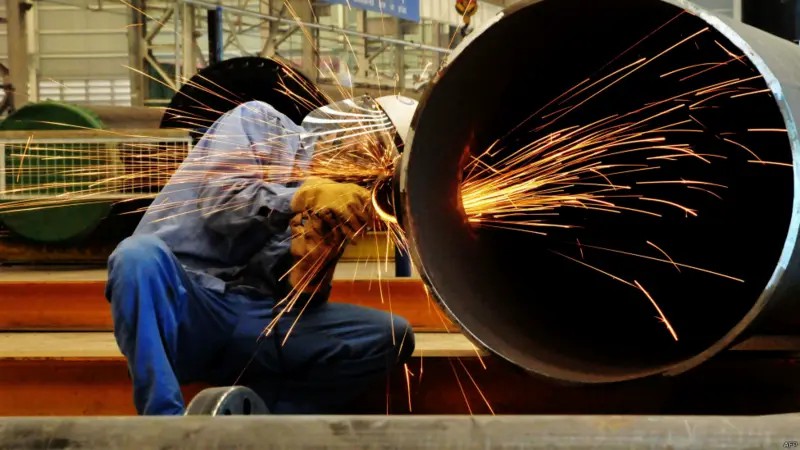
It's a surprising trend: Bonded abrasives, such as grinding wheels, are expected to maintain a 48.5% market share in 2025. Why is a "traditional" product category thriving? The answer lies in the global explosion of automated grinding systems.
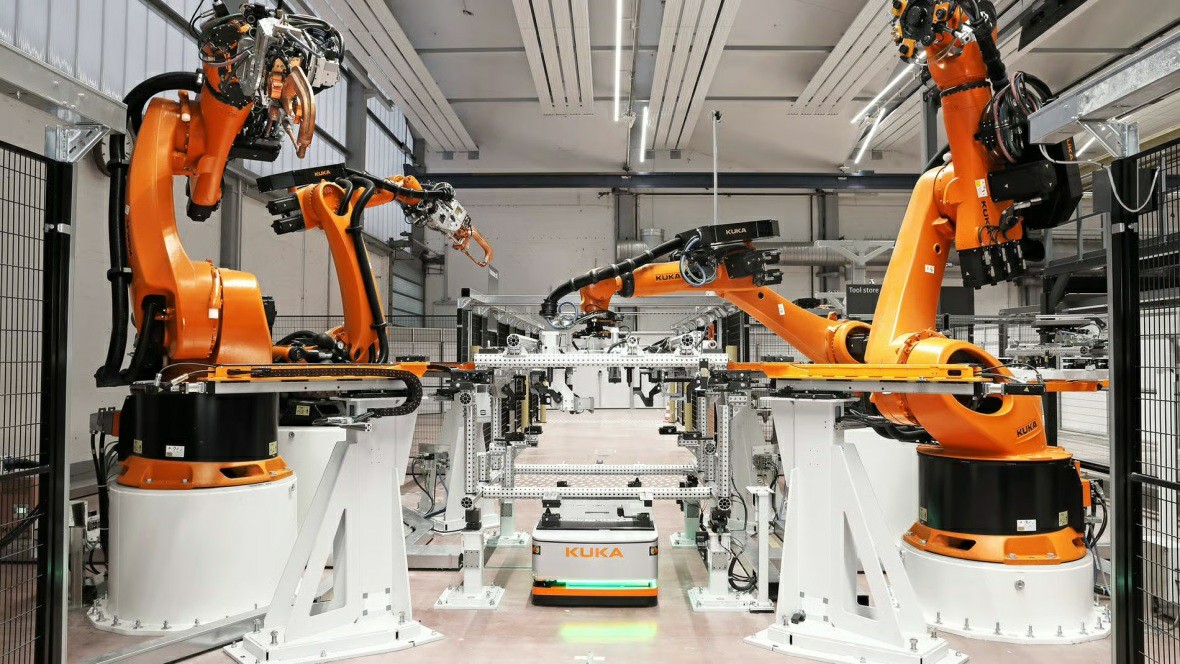
Robotic deburring, automated polishing cells and CNC grinding centers cannot tolerate inconsistencies. They require tools with predictable tool life, stable material removal rates and unwavering reliability. Bonded abrasives, especially vitrified and superabrasive wheels, perfectly meet this need. Its growth is directly linked to the automation of precision tasks in electric vehicle component manufacturing, aerospace preprocessing, and automated powertrain finishing.
The Insatiable Appetite for Electronics
The electronics sector remains the largest end user, expected to account for 33.4% of demand in 2025. What is significant is not just its size, but its continually growing and evolving requirements.
As semiconductors become more complex, wafers thinner, and high-frequency devices more sensitive, demands on precision abrasives intensify. Thinner wafers require more precise microgrinding; intricate chip architectures increase deburring challenges; and tighter surface roughness tolerances are non-negotiable. This creates a "voracious" demand that constantly drives abrasive technology. Given the global nature of R&D in electronics (in Europe/US/Japan) and mass production (in Asia), the abrasives supply chain needs to be updated synchronously around the world.

A Fragmented Global Panorama: Three Parallel Trajectories
The global market no longer moves uniformly. IMF data reveals three different trajectories:
Asia-Pacific (The Capability Hub): Home to the fastest growth rates (e.g. India at 6.4%, China at 4.8% CAGR), driven by expansion in automotive, electronics and new smart factories.
Europe and North America (The Standard Setters): Growth here is moderate but structurally advanced, driven by high-end industries such as aerospace, electric vehicles and semiconductors. It is a market defined by precision and regulatory compliance.
Middle East (The Fast Emerging Market): Led by Saudi Arabia's Vision 2030, this region shows explosive growth in metallurgy, construction and new industrial bases, representing a new and rapidly rising demand center.

Conclusion: The Core is Reconfiguration
The central message of the data is not merely market expansion, but a fundamental reconfiguration of the industry's foundations. Automation demands “engineering grade” abrasives as standard. Environmental legislation is revolutionizing chipboard systems. In smart factories, the premium for “predictable lifespan stability” decisively outweighs competition based solely on price.
The future of the abrasive industry will be defined by:
Seamless Integration: Products that connect effortlessly with robotic production lines.
Sustainable Compliance: Formulations that meet strict environmental and carbon standards.
Micron Level Consistency: Tools that deliver unwavering precision and reliability.
Extreme Performance: Solutions that maintain their integrity under high speed and high temperature conditions.
We are witnessing a pivotal transition. Abrasives are moving beyond their commodity status to become a core enabling technology. Partnering with a supplier that understands this shift is the first step to securing your competitive advantage in the future of manufacturing.